

Mental White Noise: Understanding How Boring Audio Improves Sleep Quality
Mental white noise refers to the use of monotonous or uninteresting sounds to aid in sleep by minimizing cognitive distractions. This concept is particularly beneficial for individuals who struggle with racing thoughts or anxiety, as it creates a soothing auditory environment that promotes relaxation. By understanding the mechanisms behind mental white noise, we can explore its effectiveness in enhancing sleep quality. This article will delve into the definition of mental white noise, the types of boring audio that are effective, the clinical evidence supporting its use, practical applications, and comparisons with other audio sleep therapies.
What Is Mental White Noise and How Does It Aid Sleep?
Mental white noise is a term used to describe the use of dull or repetitive sounds that help individuals fall asleep by reducing cognitive distractions. This auditory backdrop allows the mind to focus less on intrusive thoughts, facilitating a smoother transition into sleep. The primary benefit of mental white noise lies in its ability to create a consistent sound environment that masks more disruptive noises, thereby enhancing overall sleep quality.
Indeed, research supports the idea that white noise can be a powerful tool for improving sleep by masking disruptive sounds.
White Noise: A Non-Pharmacological Approach for Sleep Quality
White noise is purported to mask disruptive noises in the bedroom environment and be a non-pharmacological approach for promoting sleep and improving sleep quality.
Noise as a sleep aid: a systematic review, SM Riedy, 2021
Defining Mental White Noise and Its Role in Sleep Induction
Mental white noise plays a crucial role in sleep induction by providing a steady auditory stimulus that can help individuals relax. This type of sound can include anything from the hum of a fan to the gentle rustle of leaves. The predictability of these sounds helps to calm the mind, making it easier for individuals to drift off to sleep. Research indicates that this technique can be particularly effective for those with conditions such as ADHD, where racing thoughts can hinder the ability to fall asleep.
How Cognitive Distraction Facilitates Sleep Onset
Cognitive distraction is a key mechanism through which mental white noise aids sleep onset. Techniques such as cognitive shuffling, where individuals focus on random thoughts or images, can help divert attention from stressors and anxiety. This method allows the brain to disengage from overactive thought patterns, promoting a state of relaxation conducive to sleep. By employing mental white noise, individuals can effectively manage their cognitive distractions and improve their chances of falling asleep quickly.
Which Types of Boring Audio Are Effective for Sleep Therapy?
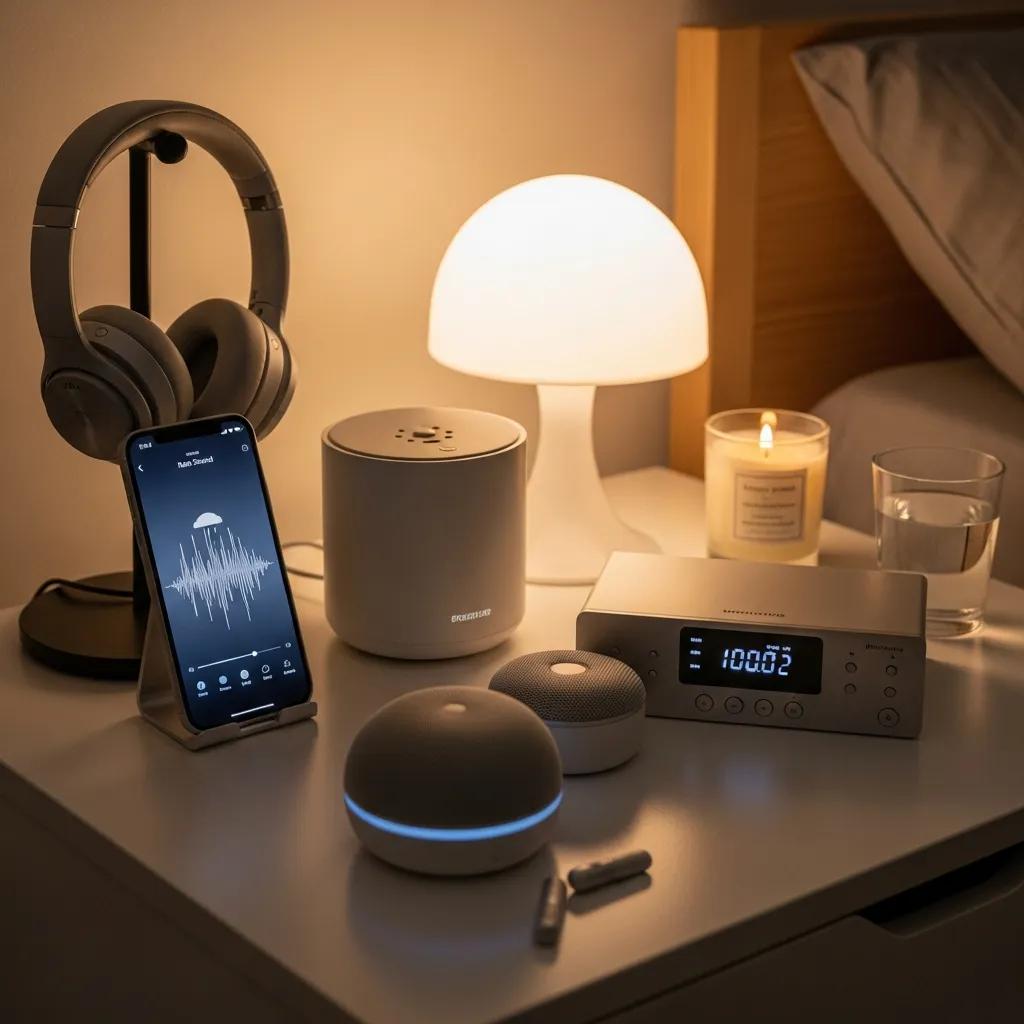
Various types of boring audio can be utilized in sleep therapy to enhance relaxation and improve sleep quality. These sounds are typically characterized by their monotonous and repetitive nature, which helps to create a calming environment.
Common Boring Sounds Used in Audio Sleep Aids
Some common boring sounds that are effective for sleep aids include:
- White Noise: A consistent sound that masks other noises, providing a soothing background.
- Rain Sounds: The gentle patter of rain can create a tranquil atmosphere, promoting relaxation.
- Ocean Waves: The rhythmic crashing of waves offers a calming effect that many find conducive to sleep.
These sounds are often used in audio sleep aids to help individuals achieve a more restful night.
How Ambient Noise and Sound Masking Enhance Sleep Quality
Ambient noise and sound masking techniques are essential for enhancing sleep quality. Ambient noise refers to background sounds that create a consistent auditory environment, while sound masking involves using specific sounds to cover up disruptive noises. Both methods can significantly improve sleep by reducing the impact of sudden noises that might otherwise wake an individual. By incorporating these techniques, individuals can create a more peaceful sleeping environment, leading to deeper and more restorative sleep.
In fact, studies have shown that sound masking is a particularly effective strategy for improving sleep quality.
Sound Masking: Effective Technique for Improving Sleep
Sound-absorbing treatment is a relatively effective noise reduction strategy, whereas sound masking appears to be the most effective technique for improving sleep.
Clinical review: The impact of noise on patients’ sleep and the effectiveness of noise reduction strategies in intensive care units, H Xie, 2009
What Clinical Evidence Supports Mental White Noise for Sleep Improvement?
Clinical evidence supports the effectiveness of mental white noise in improving sleep quality. Numerous studies have explored the relationship between auditory stimuli and sleep patterns, providing valuable insights into how these sounds can facilitate better rest.
Recent Neuroscience Research on Cognitive Distraction and Sleep
Recent neuroscience research has highlighted the benefits of cognitive distraction techniques, such as mental white noise, in promoting sleep. Studies indicate that individuals who utilize these techniques experience a reduction in sleep onset latency, meaning they fall asleep faster. This research underscores the importance of understanding how auditory stimuli can influence sleep patterns and overall sleep quality.
Summary of Clinical Studies Validating Audio Sleep Aids
A summary of clinical studies reveals that audio sleep aids, including those utilizing mental white noise, have been shown to improve sleep quality significantly. These studies demonstrate that individuals using such aids report fewer awakenings during the night and an overall increase in sleep satisfaction. The findings suggest that incorporating mental white noise into sleep routines can be a beneficial strategy for those struggling with sleep disturbances.
How Can You Use Mental White Noise Effectively for Better Sleep?
Using mental white noise effectively involves understanding how to integrate it into your sleep routine. Here are some practical tips to maximize its benefits.
Step-by-Step Guide to Using Boring Audio for Insomnia Relief
- Choose Your Sound: Select a boring audio track that you find soothing, such as white noise or rain sounds.
- Set the Volume: Adjust the volume to a comfortable level that masks disruptive noises without being overwhelming.
- Create a Routine: Incorporate the audio into your nightly routine, playing it consistently as you prepare for sleep.
By following these steps, individuals can create a conducive environment for sleep, enhancing their overall sleep experience.
Troubleshooting Common Issues with Audio Sleep Therapy
While using mental white noise can be beneficial, some individuals may encounter challenges. Common issues include difficulty finding the right sound or distractions from the audio itself. To troubleshoot these problems:
- Experiment with different types of sounds to find what works best for you.
- Ensure the volume is set at a level that is comfortable and not jarring.
- Consider using a timer to turn off the audio after a set period, preventing disturbances during the night.
These strategies can help individuals overcome common obstacles and make the most of their audio sleep therapy.
How Does Mental White Noise Compare to Other Audio Sleep Therapies?
Mental white noise is one of several audio therapies available for improving sleep. Understanding how it compares to other methods can help individuals make informed choices about their sleep aids.
Differences Between White Noise, Pink Noise, and Boring Sounds
White noise, pink noise, and other boring sounds differ in their frequency distribution and effects on sleep. White noise contains all frequencies at equal intensity, while pink noise has a frequency spectrum that decreases in power by increasing frequency, which some find more soothing for sleep. Boring sounds, such as the hum of a fan, provide a consistent auditory backdrop that can help mask disruptive noises. Each type of sound has its unique benefits, and individuals may prefer one over the others based on personal preference.
Advantages of Clinical-Grade Audio Sleep Aids Over Generic Sounds
Clinical-grade audio sleep aids often offer advantages over generic sounds, including higher quality recordings and tailored soundscapes designed specifically for sleep. These aids may incorporate advanced sound masking techniques and are often backed by research demonstrating their effectiveness. By choosing clinical-grade options, individuals can enhance their sleep experience and achieve better results.
What Are Frequently Asked Questions About Mental White Noise and Sleep?
Understanding common questions about mental white noise can help individuals make informed decisions about its use in their sleep routines.
How Does White Noise Help Sleep?
White noise helps sleep by providing a consistent auditory backdrop that masks disruptive sounds, allowing individuals to fall asleep more easily. The steady sound can create a calming environment that promotes relaxation and reduces anxiety, making it easier to drift off to sleep.
Are Boring Sounds Effective for Insomnia?
Yes, boring sounds have been shown to be effective for insomnia by reducing cognitive distractions and creating a soothing environment. Many individuals find that incorporating these sounds into their bedtime routine helps them fall asleep faster and stay asleep longer.
Conclusion
Utilizing mental white noise can significantly enhance sleep quality by providing a calming auditory backdrop that minimizes cognitive distractions. This approach not only promotes relaxation but also helps individuals fall asleep faster and enjoy deeper rest. By incorporating boring sounds like white noise or rain into your nightly routine, you can create a more conducive sleep environment. Discover our range of audio sleep aids to find the perfect sound for your sleep needs today.

Dana Childs
Dana is a cognitive neuroscientist and Resident Sleep Specialist for Deeply Unimportant. She leverages her background in sleep architecture to ensure our blog content is scientifically optimized to quiet a racing mind. Naturally, she is incredibly proud of the fact that almost no one has ever stayed awake long enough to finish reading her work.