

Why Sleep Matters: The Health Benefits You Actually Need
Sleep isn’t a luxury — it’s a biological necessity that touches every part of your health. While you rest, your body repairs tissues, supports growth, and stabilizes memories and emotions. Knowing how sleep works helps you make smarter choices that improve daily performance and long-term well-being. Below we break down sleep stages, circadian rhythms, immunity, mental health links, practical sleep-hygiene tips, and what happens when sleep is chronically short.
Key Stages of Sleep — What They Do for Your Health
Sleep unfolds in distinct stages, mainly Non‑Rapid Eye Movement (NREM) and Rapid Eye Movement (REM). Each stage plays a specific role: NREM moves you through progressively deeper restorative phases, while REM brings heightened brain activity and vivid dreaming. Together they create the cycle your body needs to recover and adapt.
NREM vs REM: How Each Stage Shapes Brain Function and Metabolism
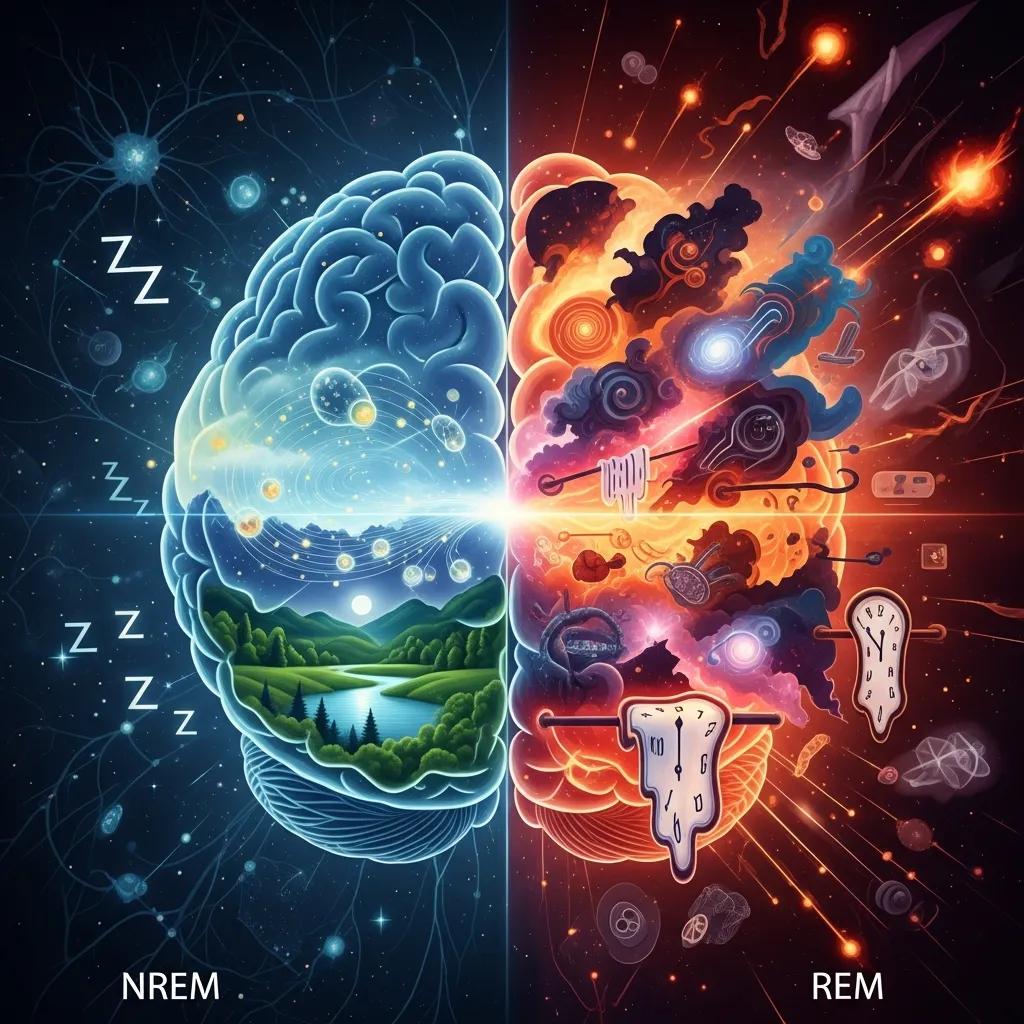
NREM sleep handles much of the body’s physical repair and metabolic tuning: tissue repair, muscle and bone rebuilding, and immune system support all ramp up during these deeper stages. REM sleep is where the brain consolidates memories, processes emotions, and supports learning. Both phases are necessary: lose one, and systems from memory to metabolism suffer.
How the Different Sleep Stages Affect Your Health
The balance between NREM and REM matters. Strong NREM restores the body; sufficient REM maintains cognitive and emotional health. Interruptions or fragmented cycles can lead to memory lapses, higher stress, and lower immune resilience. Maintaining an intact sleep architecture is a simple but powerful foundation for overall health.
Circadian Rhythm: Your Internal Clock and Why It Matters

Your circadian rhythm is the internal timing system that aligns sleep, hormones, body temperature, and other functions with day and night. Light, meals, and activity help set this clock; when those cues are consistent with the natural light cycle, sleep quality improves and daytime function follows suit.
How Your Clock Controls Sleep Timing and Hormones
Circadian signals time the release of sleep-related hormones: melatonin rises in the evening to promote sleepiness, while cortisol peaks in the morning to help you wake. Disrupting this timing—through shift work, late nights, or irregular schedules—can trigger sleep problems and downstream health effects.
When Your Clock Gets Out of Sync: Mental and Heart Health Risks
Chronic circadian disruption is tied to higher rates of anxiety, depression, and cardiovascular problems. Keeping consistent sleep and light exposure patterns helps preserve mental clarity and reduce long-term risk to heart health.
Sleep and Immunity: How Nighttime Rest Protects You
Sleep and the immune system are tightly linked. Adequate sleep strengthens immune defenses, while poor or short sleep weakens the body’s ability to fight infections and regulate inflammation.
How Sleep Strengthens Immunity and Lowers Infection Risk
During sleep the body increases production of signaling proteins like cytokines and supports immune-cell function. Well-rested individuals tend to have a more robust response to pathogens and vaccines compared with those who are sleep-deprived.
What Happens to Your Immune System When You Don’t Sleep
Sleep loss raises inflammation and can impair immune responses, increasing the chance of longer or more severe illness. Over time, chronic sleep deficits raise the risk of inflammatory and metabolic disorders.
Sleep and Mental Health: A Two-Way Street
Sleep and mental health influence each other in both directions: poor sleep can worsen mood and cognition, and mental-health conditions commonly disrupt sleep. Addressing sleep is therefore an important part of mental-health care.
Sleep’s Role in Mood, Thinking, and Emotional Balance
Good sleep supports mood regulation, focus, and decision-making. When sleep is disrupted, people commonly report irritability, anxiety, and trouble concentrating. Strengthening sleep habits can improve emotional resilience and cognitive performance.
How Bad Sleep Habits Raise Anxiety and Depression Risk
Irregular schedules, evening screen time, and uncomfortable sleep environments all worsen sleep hygiene and can increase the chance of anxiety and depression. Simple behavioral changes often make a measurable difference in mental well-being.
Practical Sleep Hygiene Tips That Actually Help
Improving sleep usually starts with straightforward habits. Below are evidence-backed practices that support better sleep and, by extension, better health.
Research shows that even brief educational programs about sleep hygiene can improve sleep quality over time.
Improving Sleep Quality Through Sleep Hygiene Education
A study testing a 25-minute educational program that included sleep-hygiene guidance found improved sleep quality over nine weeks.
Effectiveness of sleep education programs to improve sleep hygiene and/or sleep quality in college students: a systematic review, 2016
- Keep a Consistent Sleep Schedule: Go to bed and wake at the same times—even on weekends—to help regulate your internal clock.
- Make Your Bedroom Sleep-Friendly: Keep the room dark, quiet, and cool; comfortable bedding and low light go a long way.
- Limit Screens Before Bed: Aim for at least an hour without screens to reduce blue-light interference with melatonin production.
Lifestyle Changes That Support Better Sleep
Regular exercise, a balanced diet, and stress-management practices all support healthy sleep. Avoid heavy meals, nicotine, and caffeine close to bedtime to minimize sleep disruption.
How to Build an Ideal Sleep Space
An optimal sleep environment combines comfortable bedding, minimized noise and light, and a cool temperature. Blackout curtains, good mattress support, and white noise can help people who are easily awakened.
How Sleep Loss Affects Heart and Metabolic Health
Chronic sleep deprivation increases risk factors that harm cardiovascular and metabolic health. Over time, insufficient sleep is associated with higher blood pressure, weight gain, and changes in glucose metabolism.
Why Not Sleeping Raises Risk for Heart Disease and Diabetes
Persistent short sleep can drive up blood pressure and insulin resistance—both established risk factors for heart disease and type 2 diabetes. Prioritizing sleep is therefore an important preventive strategy.
Recent Research: Sleep’s Role in Preventing Chronic Disease
Growing evidence links adequate sleep with lower chances of developing obesity, diabetes, and heart disease. Recognizing sleep as a modifiable risk factor can motivate healthier daily habits.
This view is reinforced by a broad body of research showing sleep’s central role in mental health and chronic-disease prevention.
Sleep’s Vital Role in Mental Health & Chronic Disease Prevention
This editorial highlights the complex connections among sleep, mental health, and chronic disease, arguing that sleep should be seen as an active, restorative process essential to brain regulation and overall health. Given the mounting evidence that links poor sleep to mental and physical illness, prioritizing detection and treatment of sleep disturbances is a public-health imperative with wide-reaching economic and clinical consequences.
Sleep deprivation, sleep disorders, and chronic disease, AR Ramos, 2023
Conclusion
Prioritizing sleep is essential for maintaining optimal health, as it supports physical repair, cognitive function, and emotional balance. By understanding the stages of sleep and the importance of circadian rhythms, you can make informed choices that enhance your overall well-being. Implementing practical sleep hygiene tips can lead to significant improvements in your daily life. Start your journey to better sleep today by exploring our resources and expert advice.

Dana Childs
Dana is a cognitive neuroscientist and Resident Sleep Specialist for Deeply Unimportant. She leverages her background in sleep architecture to ensure our blog content is scientifically optimized to quiet a racing mind. Naturally, she is incredibly proud of the fact that almost no one has ever stayed awake long enough to finish reading her work.